Slow Heritage Dining: Tuscan Farmsteads and Ancient Grains
Words by Editorial Staff • Photography by 111111 Archives
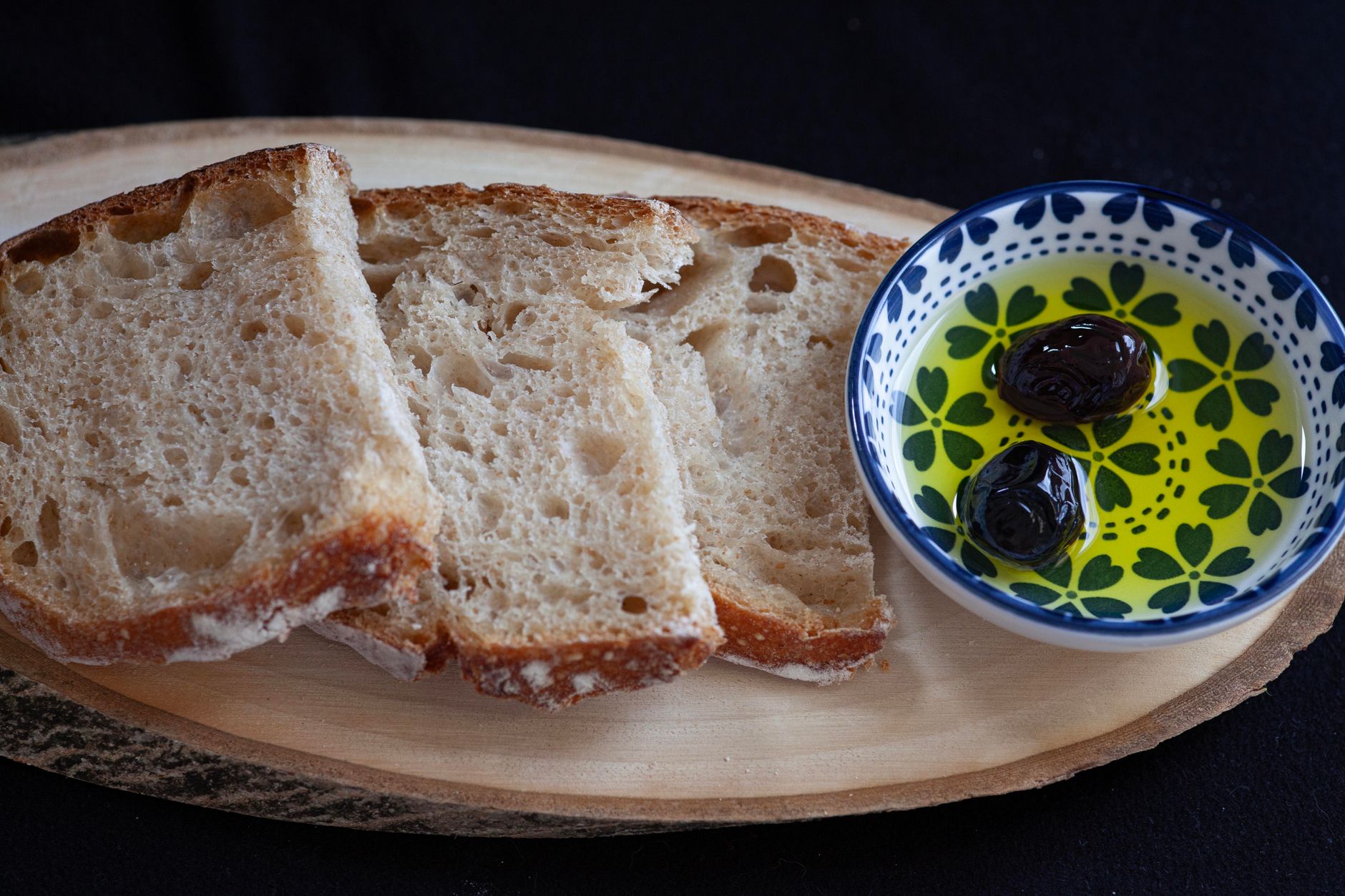
Table of Contents
Behind the postcard hills of the Val d'Orcia lies an agrarian quietude often overlooked by hurried tourists. Away from commercial bus routes, families of farmers and young culinary returnees are rejecting monoculture in favor of ancient heritage grains, heirloom legumes, and regenerative groves where sheep graze freely beneath centuries-old olive boughs.
1. The Revival of Garfagnana Emmer
In the elevated soils of northern Tuscany, farmers cultivate Triticum dicoccum — ancient emmer wheat — that has nourished the region since the Roman republic. Milled slowly on river-powered stone wheels, the resulting flour retains wholesome oils and nutty aromatics. Sourdough loaves baked in wood-fired ovens yield thick, caramelized crusts that remain tender for over a week without chemical preservatives.
2. Bitter Green Gold: Pressing Frantoio Olives
Harvested by hand in early November when still slightly immature, Frantoio and Moraiolo olives yield lower quantities but intensely peppery, polyphenol-dense oil. Drizzled over warm cannellini beans cooked slowly in terra-cotta pots with rosemary sprigs, it demonstrates how minimal ingredients achieve extraordinary complexity.
3. The True Essence of Zero-Kilometer Tables
Dining at a true agriturismo means eating according to seasonal precipitation and soil conditions. When frost delays wild chicory, the table adapts. This honest rhythm connects travelers with the cycles of the soil, offering genuine sensory renewal.
Explore Italian Farmstead Living
Consult with our editorial travel desk for verified farmstay accommodations and harvest dates.
Request Culinary Portfolio